Building a Home for a Creative Community Online
Why this project needed more than a nice-looking website
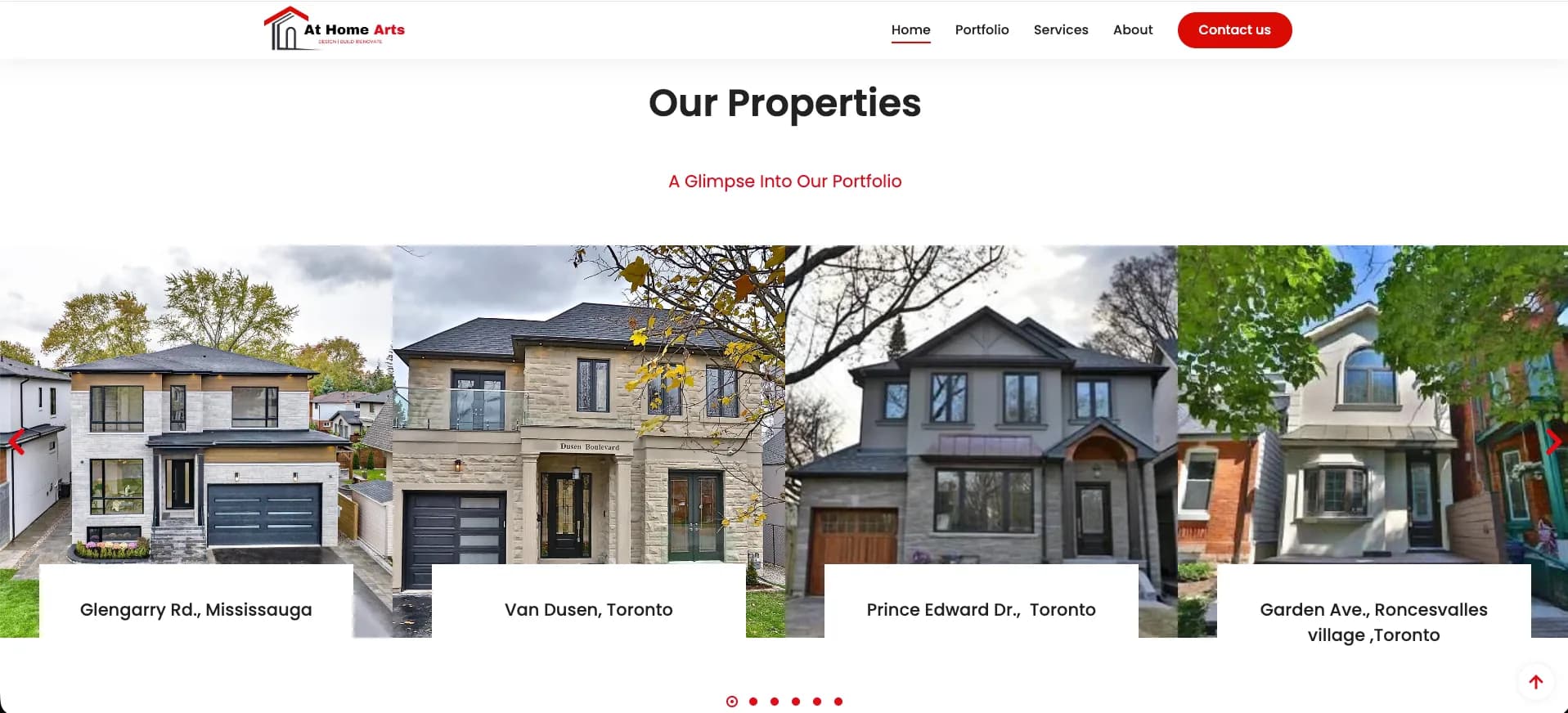
A website for a Canadian arts brand, creating an engaging online presence that showcases their offerings and connects with their creative community. Built with a warm, approachable aesthetic suited to the brand's audience. The brief sat in the arts & crafts space, which meant the work had to balance brand trust, clear user journeys, fast loading pages, and obvious conversion paths rather than relying on decoration alone.
My focus was to turn the business goal into a practical digital system: structure the offer, remove friction from the visitor journey, and make the next step feel natural on mobile and desktop. The deliverables included wordpress website, newsletter signup + lead magnet, workshop booking integration, portfolio gallery, each chosen because it supported a real commercial outcome.
The final result gave AtHomeArts a stronger foundation for traffic, enquiries, and ongoing marketing. The clearest signal was 2,800+ newsletter subscribers in 6 months, backed by a cleaner page experience and a more focused conversion path.
The design work also had to respect how buyers behave in this niche. A visitor comparing arts & crafts providers needs quick context, visible proof, low-friction navigation, and enough detail to understand why the business is credible before they click away. That shaped the page order, copy hierarchy, visual rhythm, and calls to action.
From a technical and SEO perspective, the project needed a structure that could be maintained after launch. Clean sections, descriptive headings, optimised imagery, mobile-first spacing, and internal pathways all help the site support future campaigns instead of becoming a one-time design asset.
This is also why the case study matters for future buyers. It shows how the visible interface, the content strategy, the technical build, and the business objective fit together. For AtHomeArts, the strongest decisions were the ones that reduced hesitation: clearer information, stronger proof points, easier navigation, and a more direct route from interest to action.
How and why we built it this way
AtHomeArts had an audience problem that design alone couldn't solve: their community was scattered across Instagram, Facebook, and email, and there was no single place where someone could discover all their offerings, sign up for their newsletter, and book a workshop in a single session. The site architecture was built around a content journey rather than a product catalogue — homepage tells the story, workshops page captures booking intent, gallery page reinforces community trust, and newsletter signup is embedded at every natural content endpoint with a free download as the lead magnet. The newsletter growth to 2,800 subscribers in six months was driven by the combination of a genuinely valuable lead magnet (a printable craft guide), a technically clean signup flow (single-field, minimal friction, instant download delivery), and social proof elements showing the size and enthusiasm of the existing community. The WordPress implementation used a page builder for non-technical content management, but critical performance pages (homepage, workshops) were custom-coded for speed. The social media feed integration was handled via a lightweight embed that didn't compromise page load times.
2,800+
Newsletter subscribers in 6 months
+245%
Workshop booking rate
38%
Bounce rate (down from 76%)
+390%
Social referral traffic
AtHomeArts had an active and engaged offline community but no digital home to match. Social media was their only channel and it wasn't converting followers into workshop bookings or newsletter subscribers — audiences were scattered and re-engagement was difficult.
I built a warm, community-forward WordPress website with a clear content hierarchy: workshops front and centre, a newsletter signup with a lead magnet, a portfolio of past work, and an easy booking flow. I also integrated social media feeds so the site felt alive without extra maintenance overhead.
The newsletter list grew from 0 to nearly 3,000 subscribers in 6 months and workshop booking rates more than tripled.
Deliverables
What makes an arts and crafts e-commerce website convert well?
Arts and crafts buyers are research-intensive — they want to understand the maker, the materials, the process, and the meaning behind the work before purchasing. Sites that treat handmade products like commodity products (photo + price + add to cart) underperform. At Home Arts needed a site that told the maker story, showed process photography, explained materials, and positioned each piece as considered work rather than mass-produced inventory.
How do you handle one-of-a-kind inventory on an e-commerce site?
Unique or limited inventory management requires clear stock signals (Sold Out / Only 1 Left / Made to Order), product variants handled correctly in the cart system, and real-time stock sync to prevent overselling. At Home Arts uses a made-to-order model for many pieces, which the product pages communicate clearly along with production time estimates.
What's the best approach for SEO on a handmade goods website?
Handmade goods SEO works best when it targets specific, intent-driven searches — 'handmade ceramic mugs India,' 'custom macrame wall hanging Chandigarh' — rather than competing for broad terms. Product descriptions that describe materials, dimensions, care instructions, and the making process naturally include the search terms buyers use and provide the depth Google rewards.
Should a small artisan business use Etsy or their own website?
Both, ideally — Etsy for discovery and marketplace traffic, a personal site for brand control and higher-margin direct sales. The personal site builds email list ownership, enables promotions Etsy doesn't allow, and isn't subject to Etsy's fee changes or policy shifts. At Home Arts uses both channels, with their website serving repeat buyers and their higher-value commissions.
Want results like these
for your business?
Every project starts with a conversation. Tell me about what you're building.